|
|
|
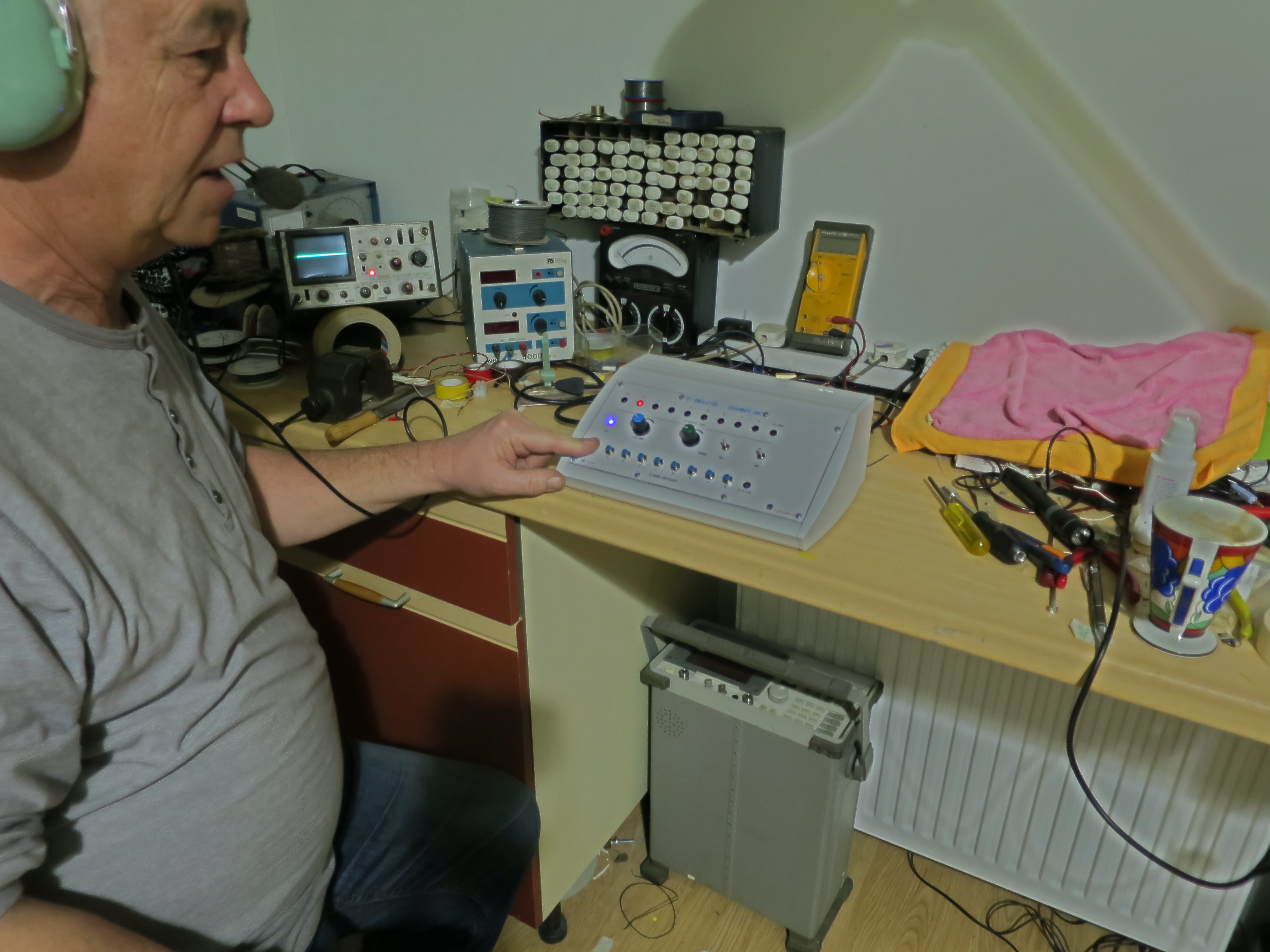
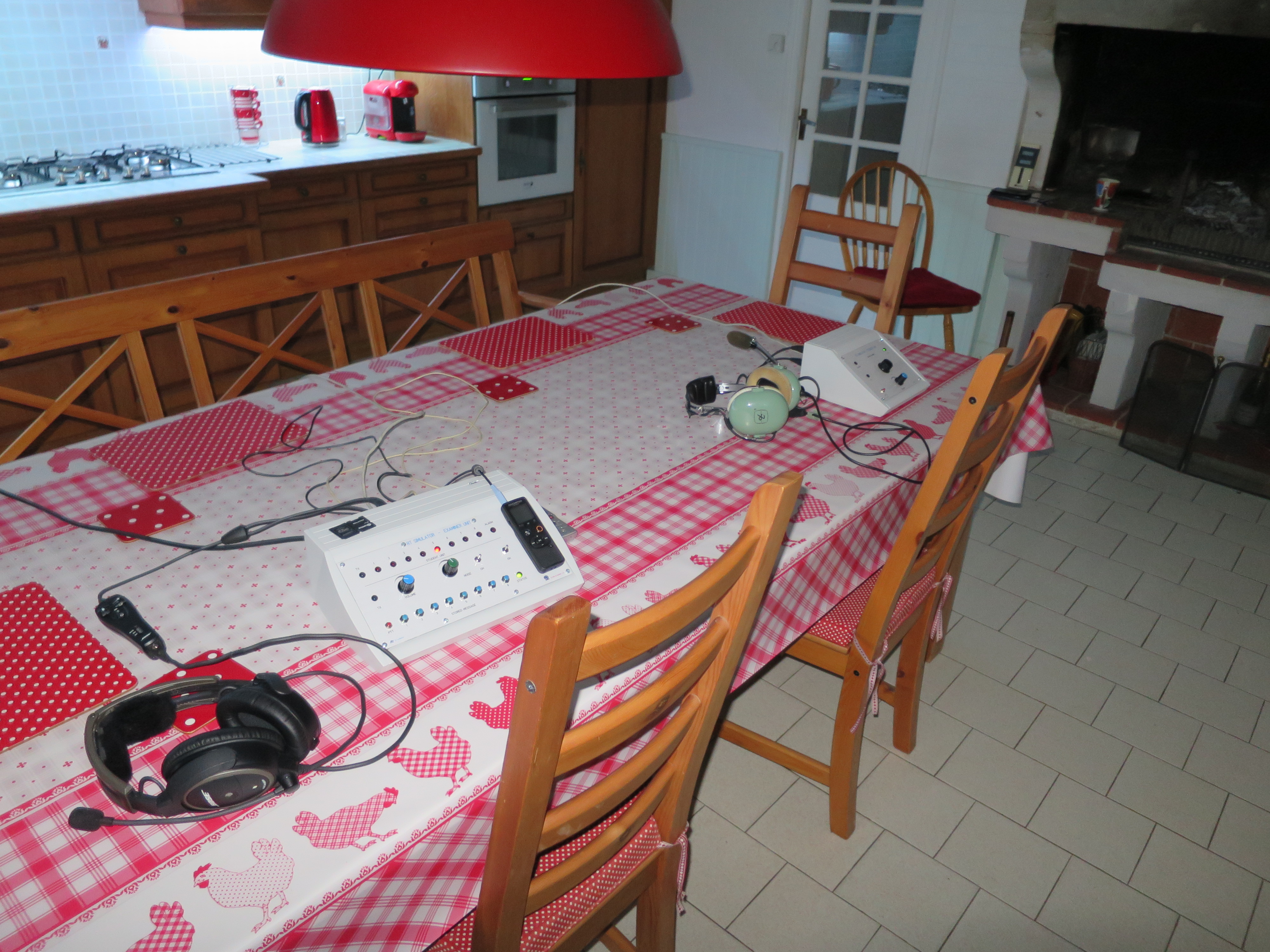
Radio Telephony Simulator (CAA Approved) This project is why I didn't continue with my flying lessons immediately after completing my Ground School exams. As part of the Private Pilots Licence you need to hold a valid Radio Operators licence to operate the radio within the aircraft. Obviously communication is an important part of safety whilst flying and you need to know the terminology and phrases that are used between a pilot and the Air Traffic Controllers. The FRTOL (Flight Radio Telephony Operators Licence) is a practical exam consisting of the student flying a simulated route but actually making all of the correct radio calls at the appropriate times, using the correct terms and phrases and ensuring they have selected the correct radio channel to communicate with the required Ground Stations. The FRTOL Test Equipment fulfils the role of simulating the radio within an aircraft (Student Unit) and that of multiple Air Traffic Controller Stations and other aircraft radio stations (Examiner Unit). Each unit is placed in a separate room and the student communicates with the examiner using his "radio" by selecting the appropriate channel. My flying instructor, Roger, wanted to become an FRTOL Examiner so that he could offer complete PPL training as an in-house package at Aeroclub des Limousin, Limoges Airport where he delivers most of his training. Without this qualification students would need to arrange an exam with a CAA Radio Examiner back in the UK. Whilst achieving the required standard for the examiners qualification was easily within Rogers capability he did not have access to the required test equipment to actually carry out the exam. Many Test Equipment units were manufactured as a one off project back in the 1960/70's but these have failed or been lost over the years. There was no way Roger could locate such equipment. The only option was to get one constructed - which is were I came in and why this page exists. The CAA has a specification for the Test Equipment which ensures the equipment is fit for purpose. So here is a brief summary of how the RT Simulator came to exist.
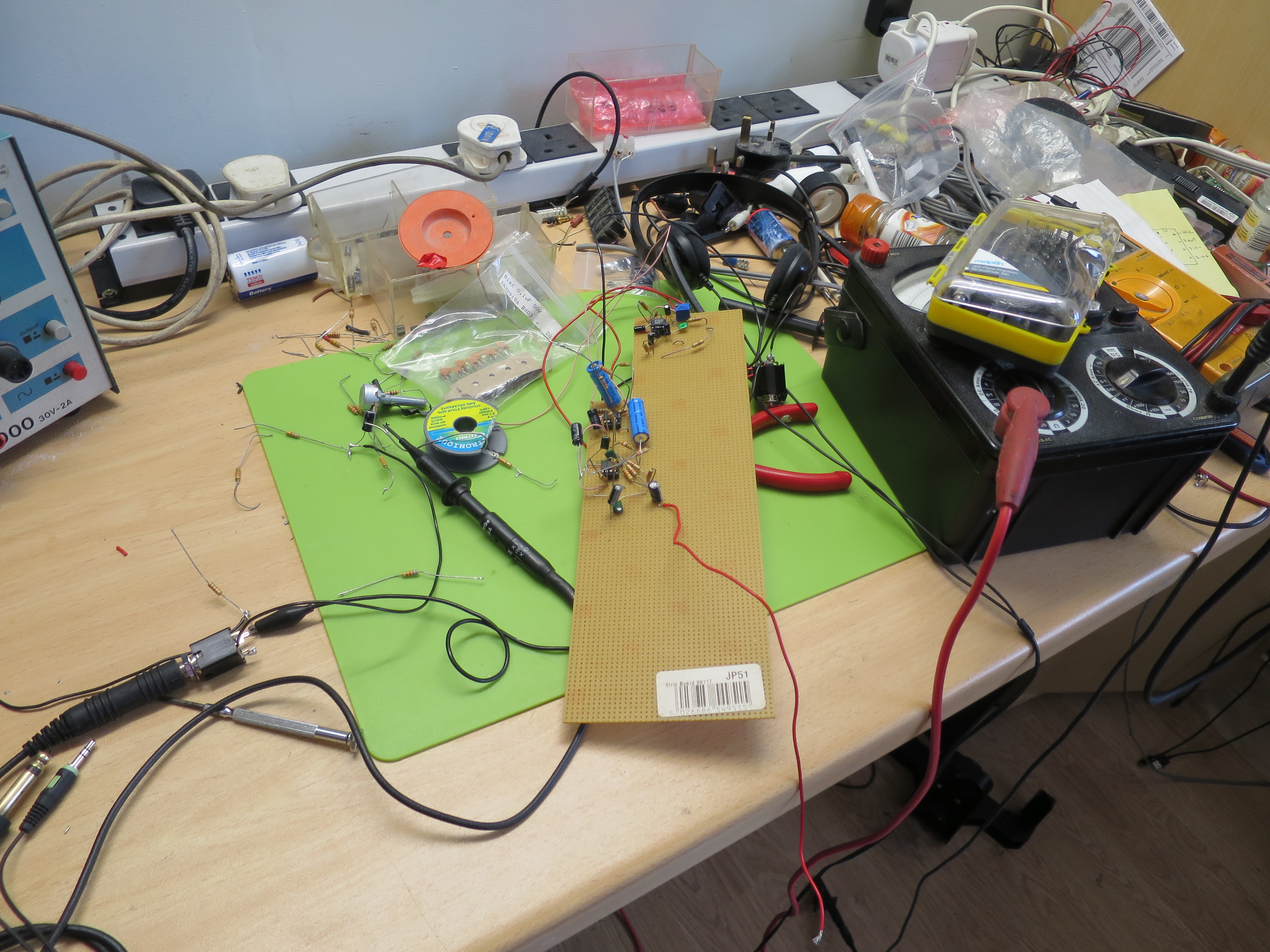
It's been decades since I have attempted anything like this. I've pottered around with the odd circuit here and there and a bit of soldering but nothing this big and I did have a few problems. First off - couldn't see the holes in the veroboard very well and kept sticking component wires into the wrong place. So out came the bench illuminated magnifying glass. The most annoying thing was that, from my junk box of components, most of the leads had corrosion on them from being so old and needed to be cleaned off before soldering. I thought I'd forgotten how to solder! What I did notice was that I had a lot more patience than I used to have and I'm convinced this resulted in a much better looking end product than if I had done this thirty years ago. I knew that, as an old guy, this project was going to require a vast amount of my time and effort which is why I decided to put the flying on hold until it was completed. So, as of 21st March 2017, Roger has passed his examiners exam and the RT Simulator is Approved Equipment. Objective achieved so back to my flying :-) |